


What are stablecoins, and how are they used in the Middle East?
Stablecoins are a type of cryptocurrency designed to maintain a stable value by being pegged to a reserve asset, most commonly the U.S. dollar. Unlike volatile crypto assets such as Bitcoin, stablecoins like Tether (USDT) and USD Coin (USDC) aim to trade consistently at $1, making them a reliable digital proxy for fiat currency. This stability has made them useful for everything from remittances to trading.

Stablecoins are a type of cryptocurrency designed to maintain a stable value by being pegged to a reserve asset, most commonly the U.S. dollar. Unlike volatile crypto assets such as Bitcoin, stablecoins like Tether (USDT) and USD Coin (USDC) aim to trade consistently at $1, making them a reliable digital proxy for fiat currency. This stability has made them useful for everything from remittances to trading.
In the GCC and broader Middle East, stablecoins have quietly become a core part of the crypto economy. In countries like the UAE and Bahrain, users have increasingly relied on them for cross-border payments, everyday transactions, and as a bridge into digital asset markets.
Why stablecoins matter in the region
Stablecoins serve a clear role in the Middle East. In the UAE, where remittances exceed $47 billion annually, digital tokens like USDT are gaining popularity as faster and cheaper alternatives to traditional money transfer services. Unlike conventional remittance channels, blockchain-based stablecoin transfers can settle in minutes with minimal fees.
They are also commonly used for crypto trading. Many regional investors prefer to hold value in USDT or USDC when moving funds across exchanges or as a dollar-based hedge. In countries facing inflationary pressure or limited access to hard currency, stablecoins offer a way to preserve purchasing power without relying on local banking systems.
Businesses are also beginning to explore stablecoins for payments. In Dubai’s growing fintech sector, stablecoin usage is rising among platforms that operate across borders. Some service providers have started accepting payments in USDC or USDT, particularly in sectors dealing with international clients or crypto-native users.
The UAE: leading in regulation and innovation
The United Arab Emirates has taken a forward-leaning regulatory stance. The Securities and Commodities Authority (SCA) and the Central Bank of the UAE provide oversight, while Dubai’s Virtual Assets Regulatory Authority (VARA) has established clear rules for stablecoins. VARA requires full reserve backing and audit standards for asset-backed tokens. While USDT and USDC are allowed for trading, broader payment usage is encouraged through local alternatives.
In 2025, Abu Dhabi launched a major initiative to create a fully regulated dirham-backed stablecoin. Backed by First Abu Dhabi Bank (FAB), sovereign wealth fund ADQ, and conglomerate IHC, the project aims to enable everyday retail and business use of a digital dirham under Central Bank supervision. This marks a strategic push to integrate stablecoins into the formal economy.
Bahrain: a proactive regulator
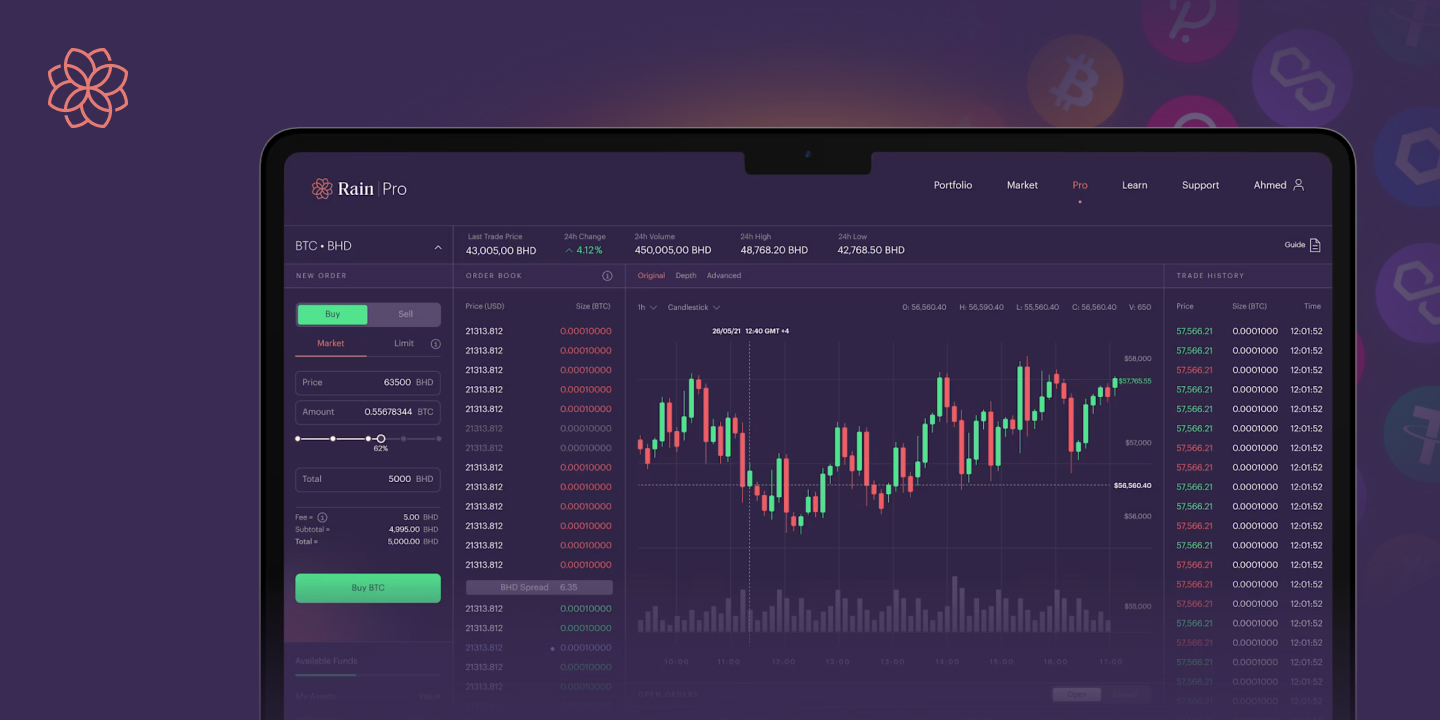
Bahrain was among the first in the GCC to issue crypto regulations. Its Central Bank introduced a crypto-assets framework in 2019, allowing licensed exchanges to operate legally. This means that today, a licensed platform like Rain offers its customers the ability to trade USDT and USDC under supervision and through a regulated framework.
The future of stablecoins in the Middle East
Stablecoins are becoming more visible across parts of the Middle East, particularly in jurisdictions with clearer regulatory frameworks like the UAE and Bahrain. Their use in remittances, trading, and digital payments reflects growing demand for dollar-pegged instruments that offer speed and accessibility.
While stablecoins offer a less volatile alternative to other digital assets, they remain part of a wider discussion around the role of cryptocurrencies in the financial system. The future use of stablecoins will depend not only on market demand, but also on how policymakers define their place in an increasingly digitized financial landscape.

Copyright © 2026 Rain Management W.L.L.