


What are blockchain use cases in finance?
Blockchain is the core technology that supports crypto but over time it has slowly played a broader role in the financial sector. Banks, asset managers and fintech companies are beginning to adopt blockchain infrastructure to tackle inefficiencies in the current financial system. The key advantage of blockchain are speed, transparency and record keeping.

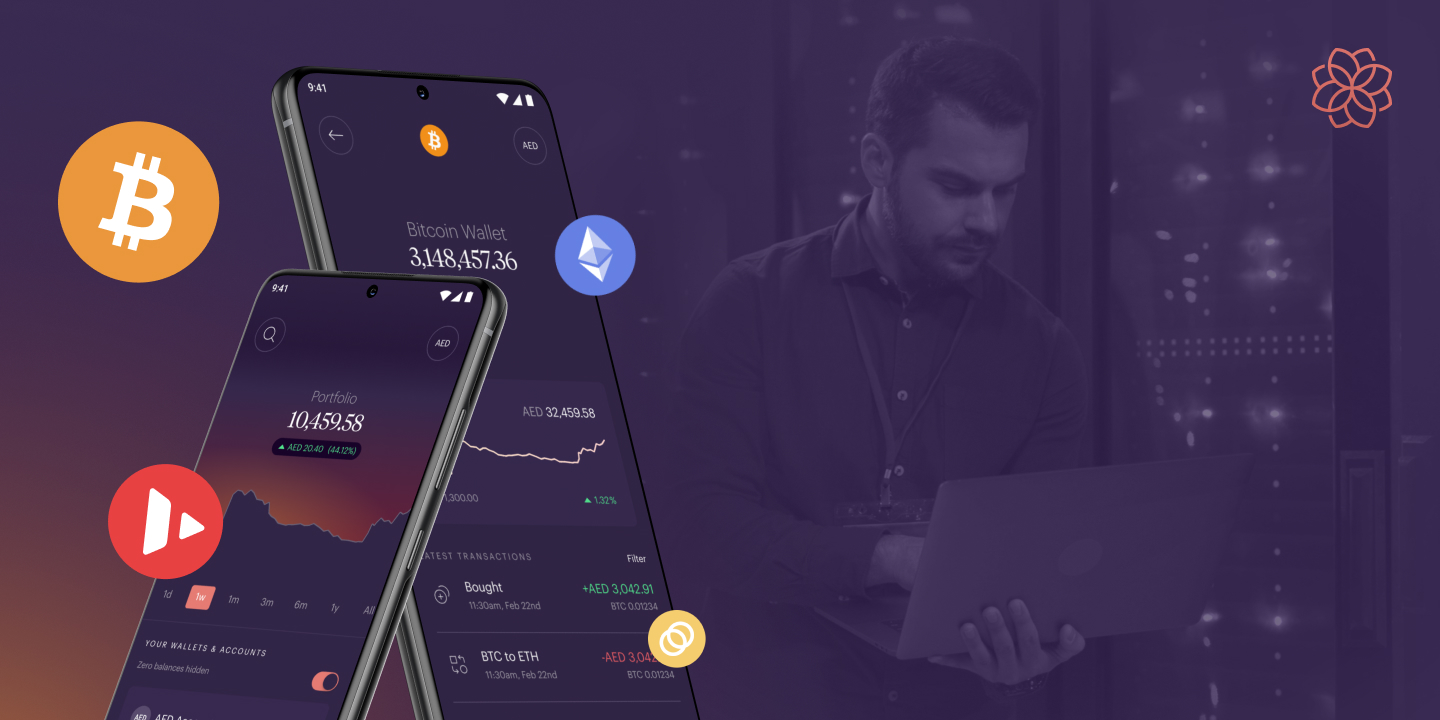
Blockchain is the core technology that supports crypto but over time it has slowly played a broader role in the financial sector. Banks, asset managers and fintech companies are beginning to adopt blockchain infrastructure to tackle inefficiencies in the current financial system. The key advantage of blockchain are speed, transparency and record keeping.,
Cross-border payments
Cross-border payments has been one of the key areas for adoption. International transfers have always had problems around delays and high fees, as multiple intermediary banks play key roles in moving money around. Blockchain based platforms create much faster settlement times at lower costs by minimizing the number of intermediaries involved in the process.
Stablecoins in settlement and transfers
Another use case is the application of stablecoins in payment and settlement workflows. Stablecoins are digital tokens that are pegged to fiat currencies, most commonly the U.S. dollar. They are used to move funds instantly, across borders, and outside of traditional banking hours. In many cases, stablecoins such as USDC and USDT are being used by trading platforms, businesses, and financial service providers to manage liquidity and handle fast, on-chain transfers without relying on traditional banking infrastructure.
Tokenized financial assets
Asset tokenization is also being explored by financial institutions as a way to modernize the issuance and management of traditional financial products. This involves creating a blockchain-based token that represents ownership in a real-world asset, such as a fund, bond, or property. Tokenization allows for fractional ownership, faster settlement, and greater efficiency in how ownership records are maintained. Large asset managers, including BlackRock and Franklin Templeton, have begun to issue tokenized funds and explore how blockchain can support fund administration and transfer processes.
Trade settlement and clearing
Trade settlement in traditional markets is often slower than it needs to be. After a trade is agreed on, it can still take time for the exchange of funds and assets to be completed. This delay can create operational risks and reduce how quickly capital can be used again.
Blockchain is being explored as a way to speed up this process. With automated systems and shared ledgers, trades can be settled more efficiently and with fewer intermediaries involved. Institutions such as JPMorgan and DTCC are testing blockchain-based platforms that aim to simplify settlement and reduce the need for manual checks across different systems.
Transparency and compliance
Blockchain’s transparency and immutability also support use cases in auditing and compliance. Once a transaction is recorded on a blockchain ledger, it cannot be altered. This feature makes blockchain useful for real-time reporting, internal audits, and regulatory disclosures. Some institutions have started using blockchain to provide on-chain proof of reserves, and others are exploring how blockchain can serve as a secure source of truth for financial and compliance data.
Outlook
Although adoption is still at an early stage in many parts of the industry, these applications show how blockchain is gradually being integrated into core financial functions. Rather than replacing the system, it is being introduced in targeted areas where the benefits of automation, speed, and transparency are most clear.

Copyright © 2026 Rain Management W.L.L.